Getting the strap right: length, width, padding
Straps transfer weight from your hands to your skeleton, but poor adjustments create quick fatigue. We build our shoulder straps and harness webbing to carry heavy daily loads without digging in. This guide shows you how to position pads, set length, and decide when extra gear or hardware helps.
How webbing transfers weight
A strap does not make your gear lighter. It simply moves the downward force from your grip to your collarbone and back. If the line hangs loose, the bag bounces and multiplies the felt weight with every stride.
Narrow webbing concentrates that pressure onto a thin line of muscle. We widen our primary webbing so the load spreads across more surface area before you take your first step on the commute.
Setting pad position and strap drop
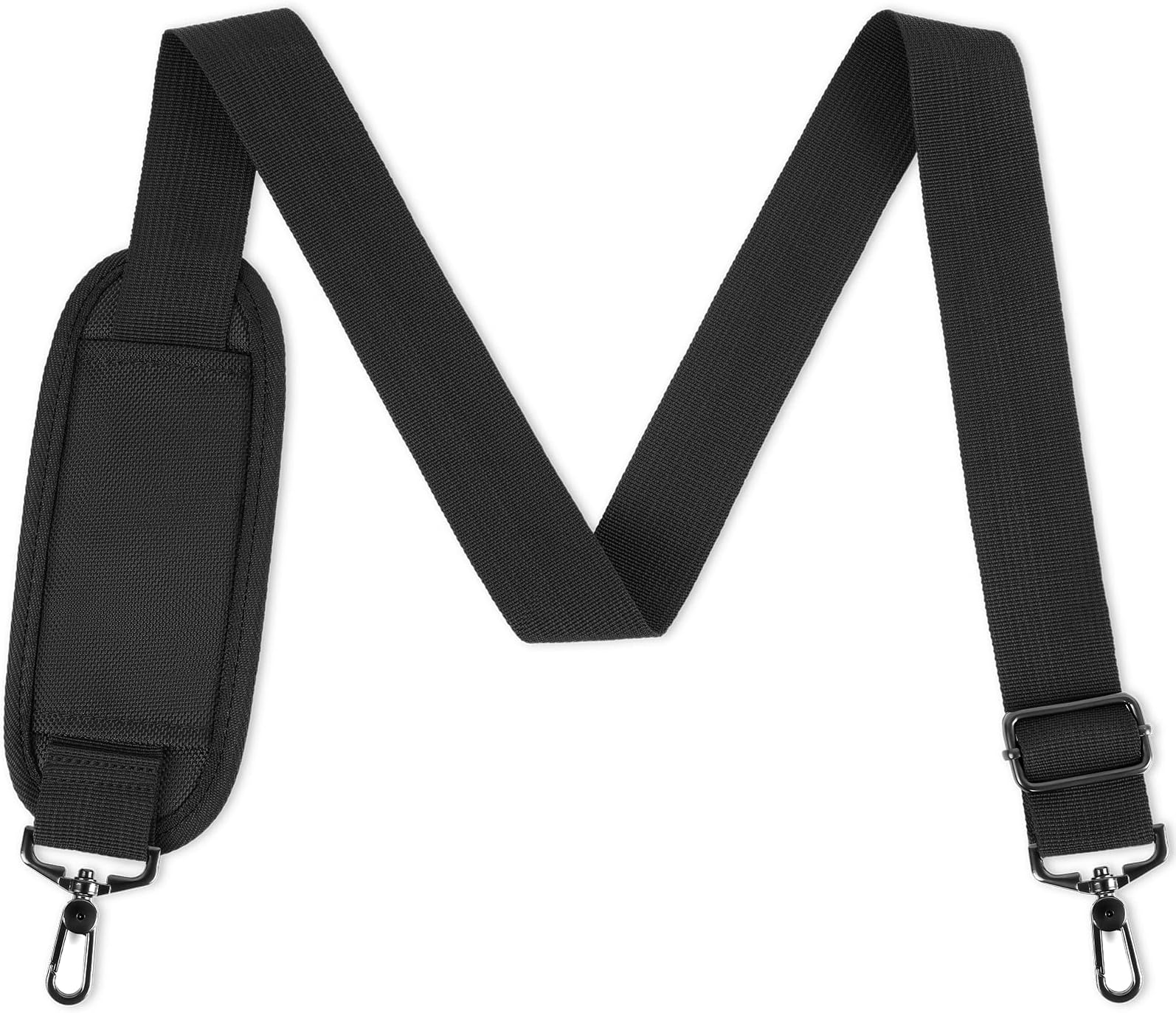
Keep the padded sleeve centered directly over the ridge of your shoulder muscle. If the cushion rests against your chest or slips behind your back, your neck takes the raw webbing friction.
Shortening the strap pulls the bag closer to your center of gravity. Letting the bag ride low near your hip causes it to swing, which pulls on your lower back and tires you out faster.
Using team straps for heavy loads
Heavy tool cases and loaded utility totes sometimes exceed what one person should lift. A shoulder strap cannot save your back if the base weight is simply too high for solo carry.
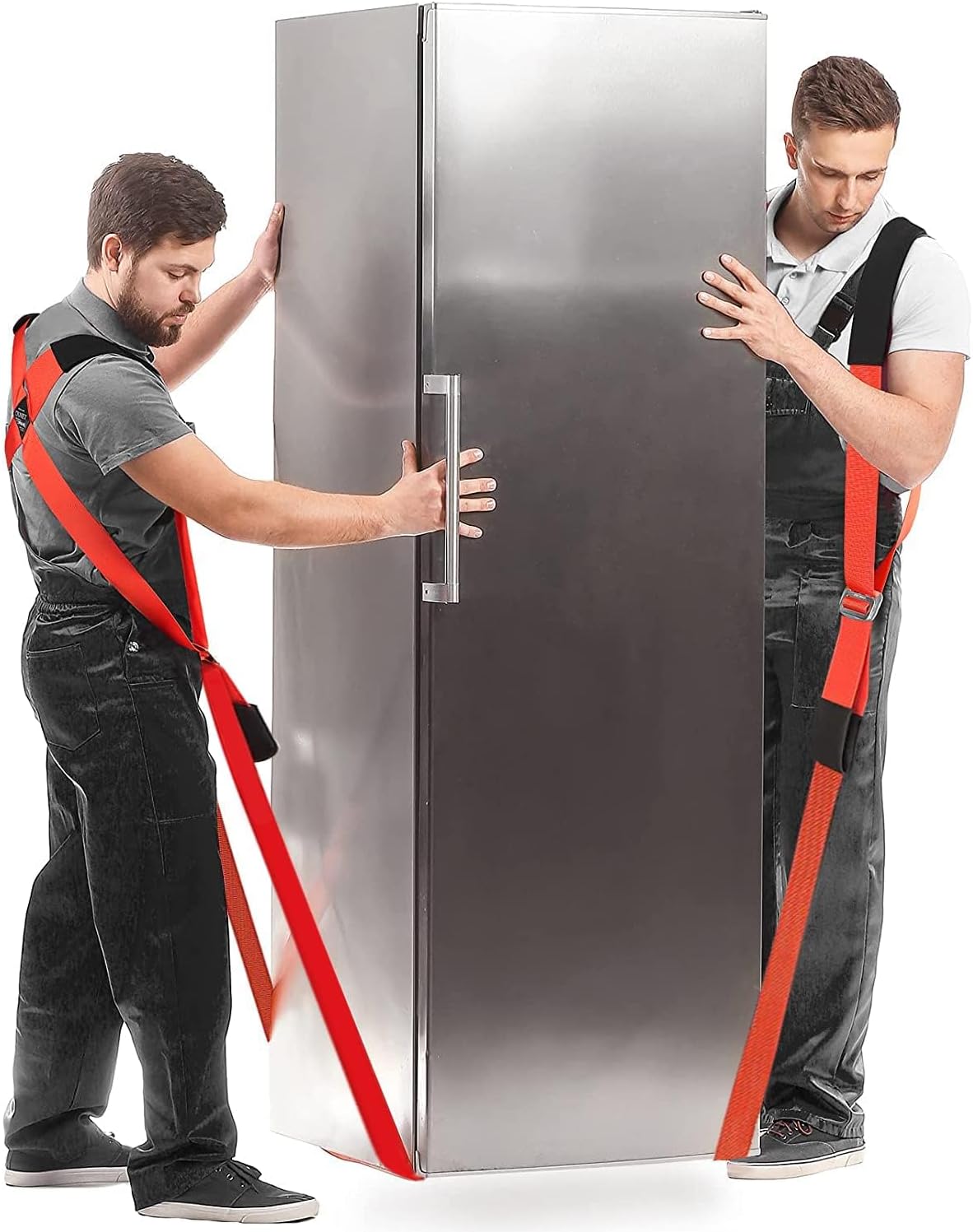
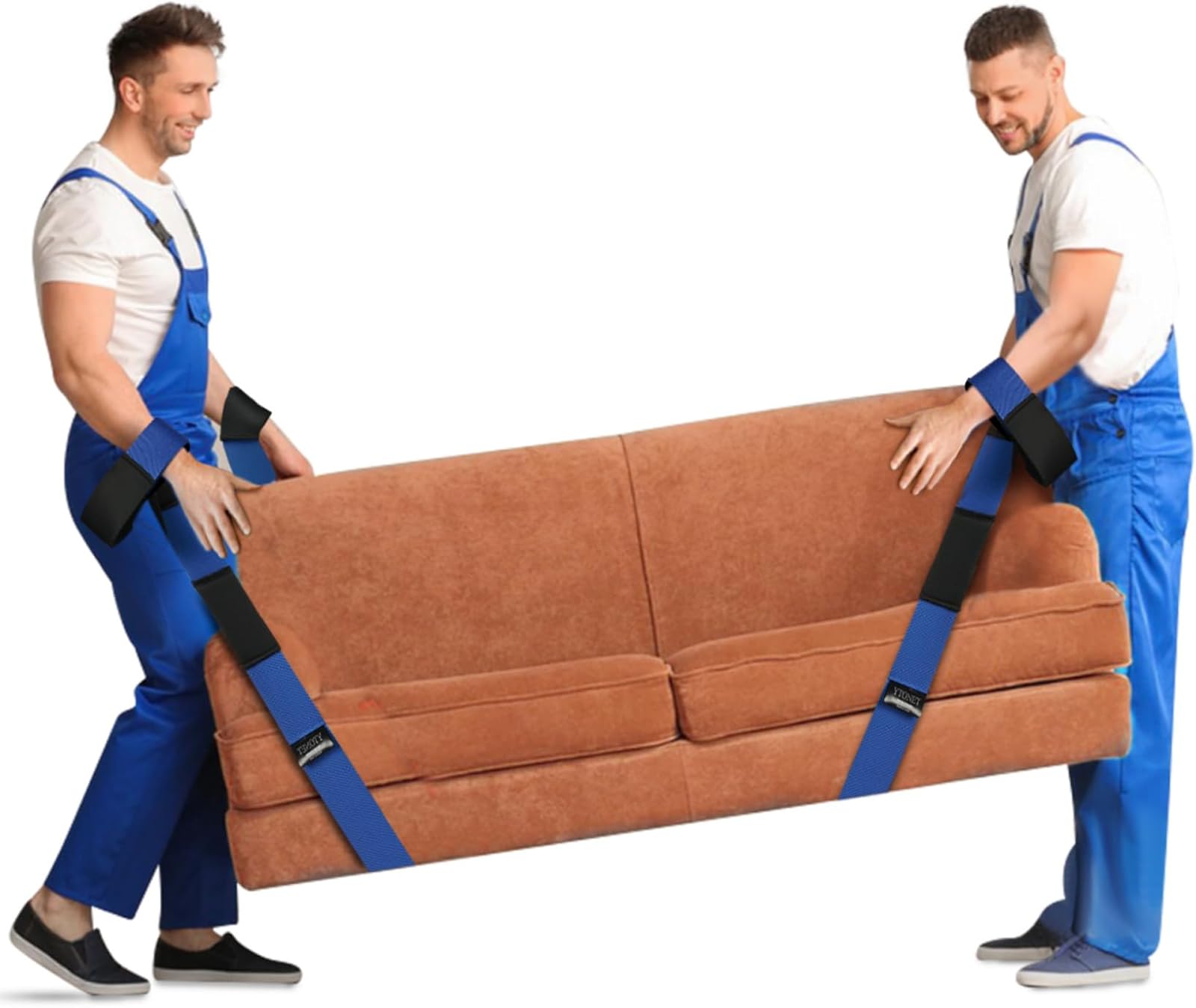
Switch to two person lifting straps when shifting bulky gear across a job site. These harness loops let two workers share the balance evenly and keep their spines upright during the move.
Upgrading your current hardware
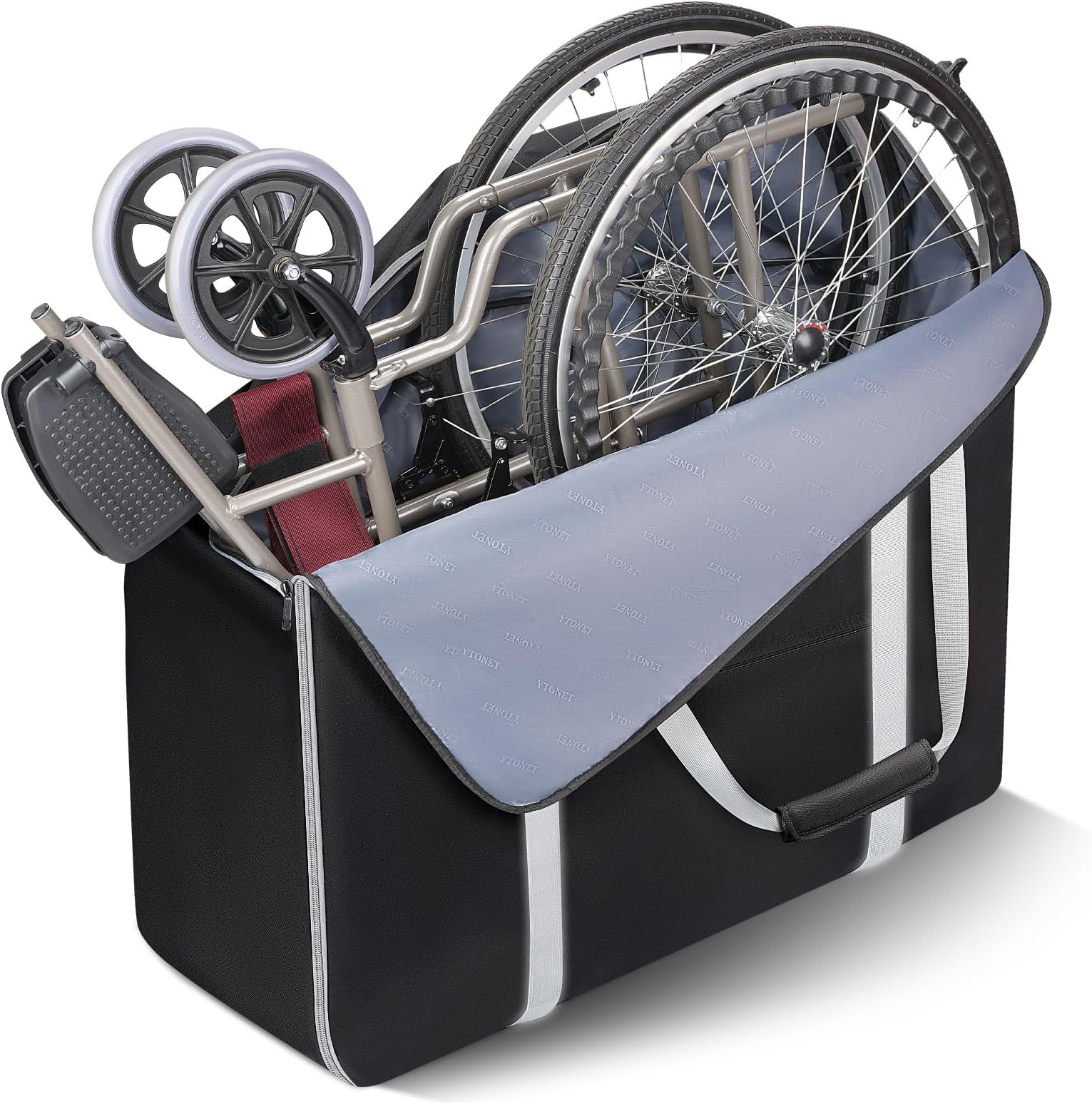
You do not always need a whole new duffle or backpack to fix shoulder pain. A worn pad or a twisted hook on an old bag often causes the discomfort.
Adding a thicker wrap-around pad or swapping in metal swivel clips can restore a favorite piece. Check your existing attachment points before you decide to retire a bag that still works.
The short of it
- Keep the cushion centered on the top of your shoulder muscle to avoid friction burns on your neck.
- Pull the webbing tight enough to keep the pack close to your torso and stop it from bouncing.
- Use two person lifting straps when cargo is too bulky or heavy for a single worker to carry safely.
- Swap in a new slip-on pad or sturdier clips to fix an old bag before replacing the entire setup.
Correct strap adjustments protect your back and keep your hands free for the day ahead. Take two minutes to balance your gear before you leave the house.